Dec 6, 2025 Bishal Saha
No Calls or Emails After Work: India’s Right to Disconnect Bill 2025
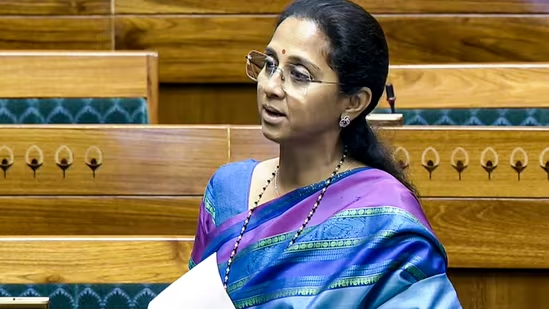
On 6 December 2025, MP Supriya Sule introduced the Right to Disconnect Bill, 2025 in the Lok Sabha — a proposed law that would give every employee the legal right to ignore work-related calls, emails or messages outside official work hours and on holidays. The bill addresses growing concerns over digital burnout and “always-on” work culture, aiming to restore personal time and mental well-being for workers.
No Calls or Emails After Work: India’s Right to Disconnect Bill 2025
In a move that could reshape work-life balance for millions of workers in India, MP Supriya Sule has introduced the Right to Disconnect Bill, 2025 in the Lok Sabha. The legislation promises to give employees the legal right to ignore work-related calls, emails, or messages once official work hours end — including on holidays.
📌 What the Bill Proposes
Right to Disconnect: Employees should not be obligated to respond to work-related calls or emails outside working hours or on holidays.
No Repercussions for Refusal: The bill aims to ensure that refusing after-hours communication does not lead to disciplinary action.
Employees’ Welfare Authority: The bill proposes to set up an authority tasked with overseeing implementation including monitoring out-of-hours communication and negotiating work-after-hours policies with companies.
Overtime Compensation Option: If employees agree to or are required to work beyond hours, overtime pay at wage-rate is considered a necessary check against unpaid overtime.
Well-being Measures: The bill mentions awareness programs around healthy use of digital tools, counselling services, and even proposes “digital detox centres” to help disconnect from work stress.
🌐 Why It Matters (Work Culture & Employee Well-being)
In today’s digital world, boundaries between office time and personal life often blur. Many employees are expected to remain always reachable — via calls, emails or messages — even after work hours. The bill attempts to restore those boundaries. As stated in the bill’s “objects and reasons,” constant after-hours communication and “telepressure” may lead to stress, sleep deprivation, emotional exhaustion, and “info-obesity.” Supporters believe that by legally protecting personal time, the Bill could reduce burnout, improve mental health, and foster a healthier work-life balance for Indian workers. It also acknowledges that with evolving digital and remote work cultures, employment norms must evolve too.
⚠️ What to Keep in Mind: Private Member’s Bill & What’s Next
The Right to Disconnect Bill is a Private Member’s Bill, introduced by an individual MP, not a government bill. Historically, many such bills in India are withdrawn after government response, and only a few become law.
This means the Bill’s passage is uncertain but it does serve an important purpose: starting a national conversation about work-life boundaries and mental health in workplaces across India.
💡 What This Could Mean for You / Your Readers
For employees: A potential legal backing if employers overstep boundaries after office hours.
For organisations: Need to rethink work-after-hours expectations, set clear policies, and possibly compensate overtime.
For broader society: Recognition of digital burnout as a workplace issue and a shift toward healthier, more humane work cultures in India.
🏁 Conclusion
The Right to Disconnect Bill, 2025 marks a bold attempt to challenge India’s “always-on” work culture. By granting employees the right to disconnect from work communications after hours, the proposed law seeks to restore personal time, mental well-being, and a healthier work-life balance. Whether the Bill becomes law or not, it has already sparked necessary conversations — and for many Indian workers, that could be as significant as the law itself.